

Why Digital Detox Is Suddenly Trending Again
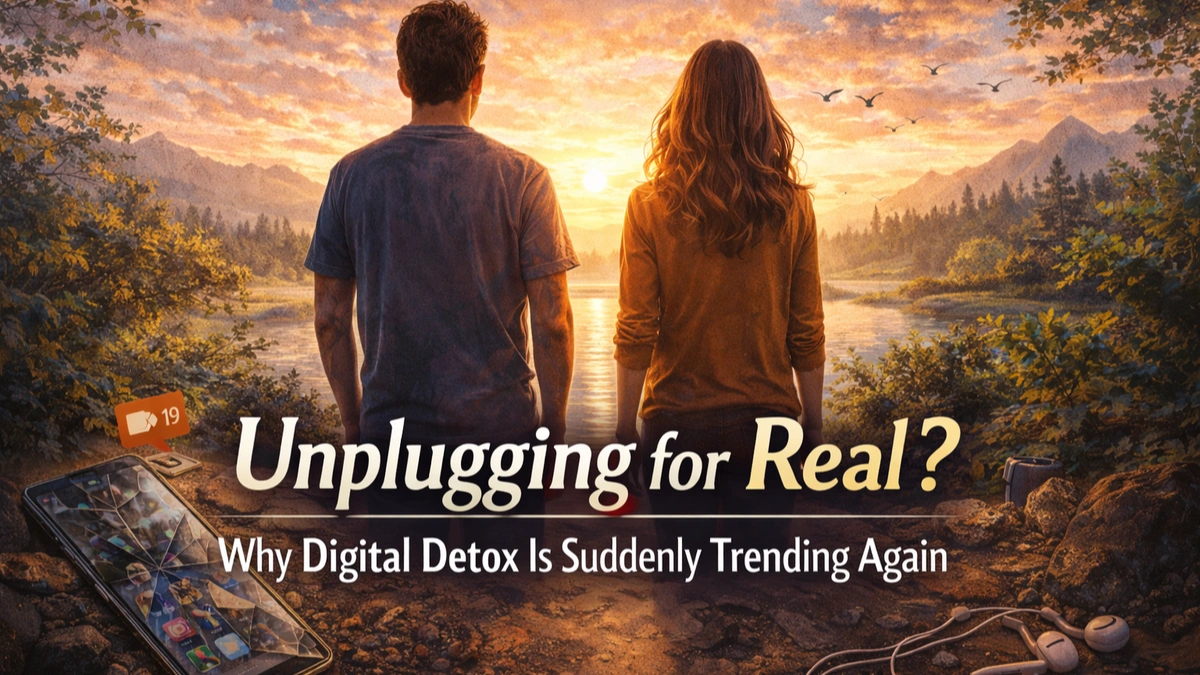
Over the past few months, many people have started talking about “digital detox” again. It’s not just a buzzword — it’s a quiet shift in how people think about their relationship with technology, screens, and everyday digital distractions.
If you’ve found yourself putting down your phone more often, taking longer walks without notifications, or just feeling tired of constant pings and updates, you’re not alone.
Where the Idea Comes From
Digital detox isn’t new. It’s been around for years as a concept — a way to step back from excessive screen time and reclaim attention. But recently, more people are turning this idea into actual action.
It’s less about refusing technology and more about **resetting how we interact with it**. People want balance — not rejection — and this shift shows up in subtle ways: - leaving the phone in another room - turning off unnecessary notifications - reading physical books again
This reflects a deeper feeling many people have: the digital world can feel overwhelming if it never pauses.
Why It’s Gaining Attention Again
One reason digital detox is trending again is the growing awareness of how constant screen attention affects focus and mood. Even when life feels okay, the mind can feel pulled in too many directions because of notifications, messages, and endless scrolling.
Another reason is how people talk about it online. Instead of extreme detox challenges, the trend now focuses on **gentle resets** and **mindful breaks**. This more humane approach appeals to many who feel it’s time to rethink their digital habits.
This quiet adjustment shows up in daily life — people scheduling “nothing time,” limiting apps before sleep, or simply noticing when a device starts to dominate their attention.
This renewed interest doesn’t mean technology is bad — it means people are learning **how to live with it more intentionally**. That’s why digital detox feels different now than it did years ago.
If you’ve been thinking about unplugging for a bit, it might be less about disconnecting and more about **reconnecting with what really matters** — in small, mindful moments.
About the Author